Johannes Kepler was a scientist of German origin. He formulated the three laws of planetary motion based on the painstaking
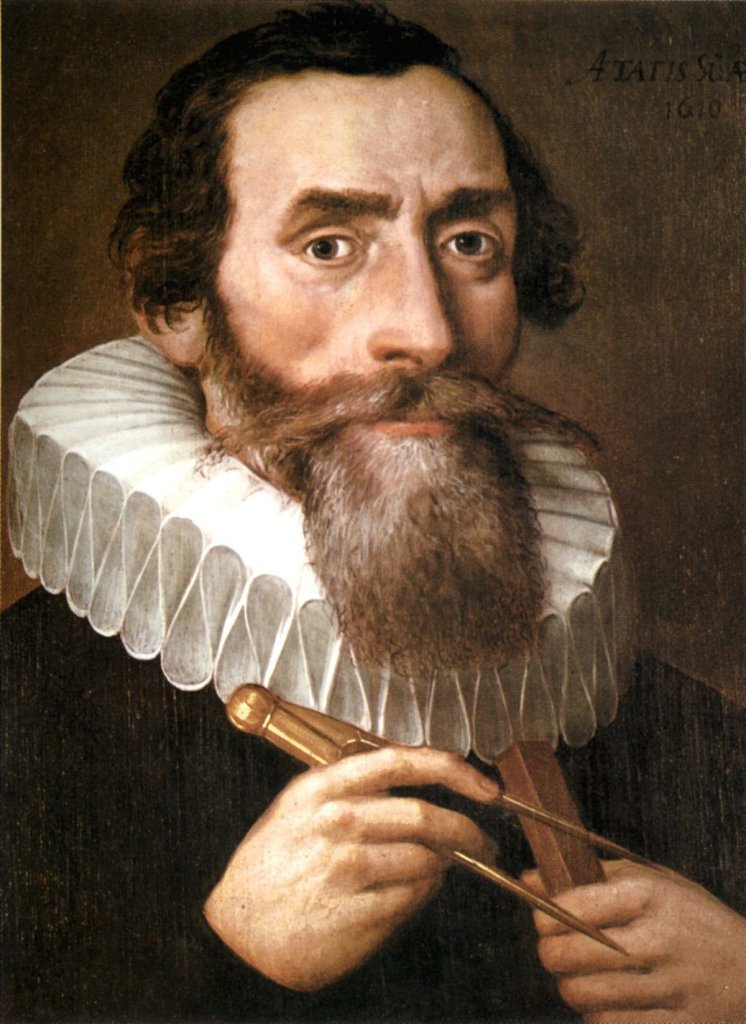
Observations of Tycho Brahe and coworkers. Kepler himself was an assistant to Brahe and it took him sixteen long years to arrive at the three planetary laws.
He is also known as the founder of geometrical optics, being the first to describe what happens to light after it enters a telescope.
Kepler was a mathematics teacher at a seminary school in Graz, where he became an associate of Prince Hans Ulrich von Eggenberg. Later he became an assistant to the astronomer Tycho Brahe in Prague, and eventually the imperial mathematician to Emperor Rudolf II and his two successors Matthias and Ferdinand II.
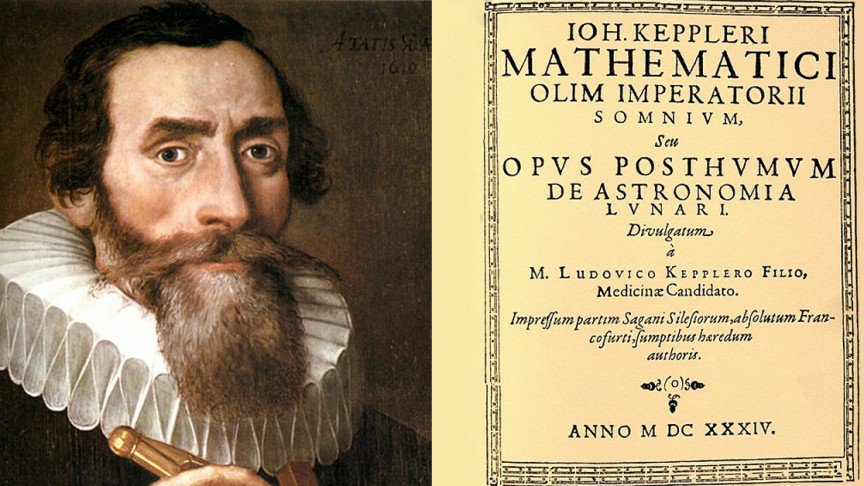
He also taught mathematics in Linz, and was an adviser to General Wallenstein. Additionally, he did fundamental work in the field of optics, invented an improved version of the refracting (or Keplerian) telescope, and was mentioned in the telescopic discoveries of his contemporary Galileo Galilei.
He was a corresponding member of the Accademia dei Lincei in Rome.
Kepler lived in an era when there was no clear distinction between astronomy and astrology, but there was a strong division between astronomy (a branch of mathematics within the liberal arts) and physics (a branch of natural philosophy).
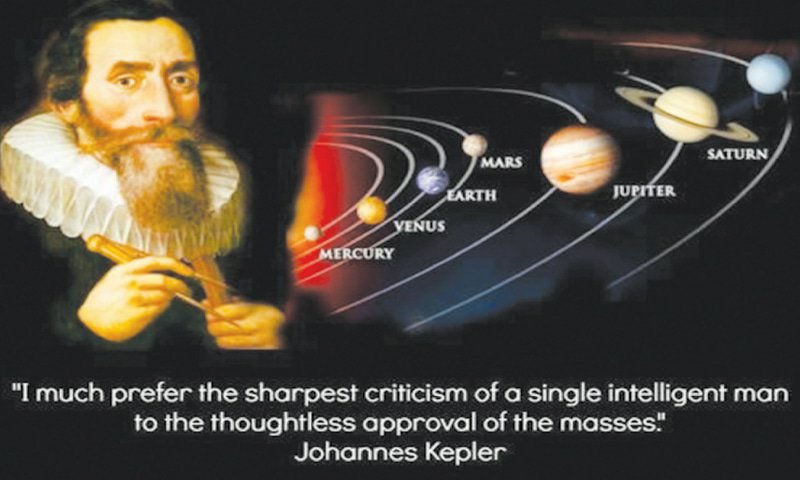
Kepler also incorporated religious arguments and reasoning into his work, motivated by the religious conviction and belief that God had created the world according to an intelligible plan that is accessible through the natural light of reason.
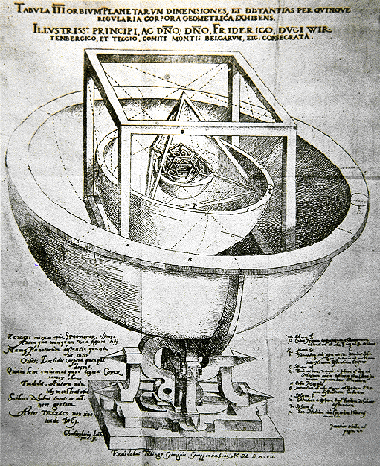
Kepler described his new astronomy as “celestial physics”, as “an excursion into Aristotle’s Metaphysics”, and as “a supplement to Aristotle’s On the Heavens”, transforming the ancient tradition of physical cosmology by treating astronomy as part of a universal mathematical physics.
 MS
MS 